Ouija Board – Graphics & Illustrations
As a designer who regularly works on branding, packaging, and digital assets for small businesses and handmade brands, I’m always on the lookout for unique design elements that add character and visual interest without compromising professionalism. The Ouija Board graphic design asset has caught my attention as a versatile tool that could enhance a range of creative projects.
First Impressions: Mystery Meets Elegance
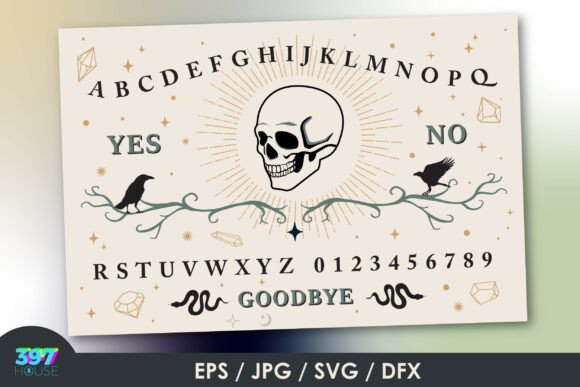
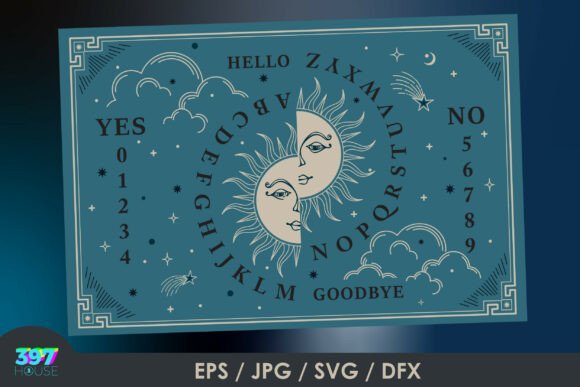
The first thing that stands out about Ouija Board is its ability to evoke a sense of mystery and intrigue. The design leans into celestial symbols and mystical themes, making it ideal for projects that aim to create an atmosphere of wonder or sophistication. It’s not just a simple illustration—it feels like a story waiting to be told through visuals.
This design bundle offers both SVG and PNG formats, which makes it adaptable for different uses, from digital products to printable designs. The level of detail in the illustrations suggests a high-quality creative design that could elevate a project’s overall aesthetic.
Real-World Design Applications
When considering how Ouija Board fits into real client projects, its potential is vast. For a handmade brand looking to create a seasonal campaign, this design could serve as a central motif in packaging, social media graphics, or even a limited-edition product line. Its mystical feel aligns well with boutique product lines that want to stand out in a crowded market.
In logo design, Ouija Board could act as a subtle background element or a symbol that adds depth to a brand’s identity. For a small business branding project, using this illustration could help establish a unique visual language that resonates with the target audience.
It also works well in editorial design, such as blog visuals or magazine layouts where storytelling is key. When used in Canva templates or Cricut projects, it adds a touch of creativity that can be easily customized for different purposes.
Where Ouija Board Shines
Ouija Board excels in large layout areas where it can be the focal point of a design. Whether it’s a hero graphic on a website, a product mockup, or a decorative accent in a themed collection, this design brings a level of elegance that enhances the overall composition.
It’s particularly effective in print-on-demand and Etsy product designs, where visual appeal is crucial. As a sublimation design or sticker design, it can be applied to t-shirts, mugs, or tote bags, giving the final product a polished and professional look.
For social media posts or Pinterest pins, Ouija Board can be used as a supporting brand element that adds visual interest without overwhelming the message. In packaging design, it can serve as a detail that reinforces the brand’s identity and creates a memorable unboxing experience.
Where to Use with Caution
While Ouija Board is visually striking, it may not be suitable for all design contexts. In minimalist branding or professional corporate materials, its intricate details might clash with a clean visual hierarchy. Similarly, when placed on complex backgrounds or in low-contrast environments, it could lose its impact and become hard to read.
Small sizes can also be problematic. If the design is scaled down too much, the fine details may disappear, making it less effective as a standalone element. In such cases, it’s better to use simpler versions or alternative design assets that maintain clarity at smaller scales.
Design Considerations for Client Projects
Before using Ouija Board for a client project, it’s important to test it in different scenarios. Previewing it on light and dark backgrounds helps determine how well it maintains contrast and legibility. Testing it at various sizes ensures that it remains visually appealing across different mediums, from digital ads to printed materials.
For commercial design projects, checking the file formats is essential. If the asset includes PNG transparency or SVG editability, it can be more flexible for customizations. Ensuring that the commercial license covers the intended use is also critical, especially when working on print-on-demand or digital product sales.
Comparing it with different font styles—such as serif, sans serif, or script fonts—can help determine how it complements the overall design. It’s also worth testing it against other design assets to see how it fits within the broader visual strategy.
Practical Designer Notes
As a designer, I always recommend testing any graphic design asset in real-world situations. For Ouija Board, this means placing it on actual mockups, reviewing print quality, and ensuring that it works well in both digital and physical formats. It’s also wise to check how it looks in black and white, as some clients may prefer monochrome versions for certain applications.
If you’re working on a handmade business or small business branding project, Ouija Board could be a valuable addition to your design toolkit. Its ability to create mood and visual interest makes it a strong candidate for seasonal campaigns, themed collections, or unique marketing visuals.
Ultimately, Ouija Board is a design asset that requires thoughtful application. When used appropriately, it can add a layer of sophistication and creativity to a project. But like any illustration or graphic, it’s important to consider the context, audience, and purpose before incorporating it into a client’s visual identity.