Daffodil Flower One Line Art: A Designer's Stitch Review
As a designer who spends more time staring at stitch maps than most people stare at their phones, I approach new Illustrations and Graphics with a specific set of questions. It is not just about whether the image looks pretty on a screen; it is about how that line weight translates to thread, how the curves behave on textured fabric, and whether the final finished product will hold up to the scrutiny of a paying customer. Recently, I took a close look at the Daffodil Flower One Line Art to see if it holds water for real-world embroidery project applications. My goal was to determine if this minimalist design is merely a digital novelty or a viable asset for a craft business.
The First Impression: Simplicity with Intent
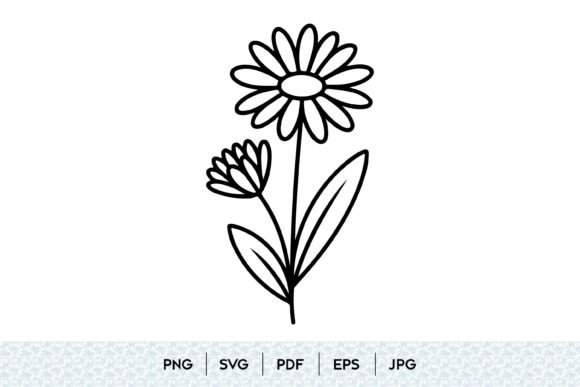
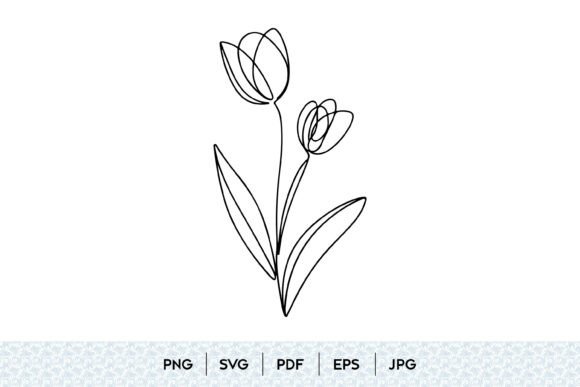
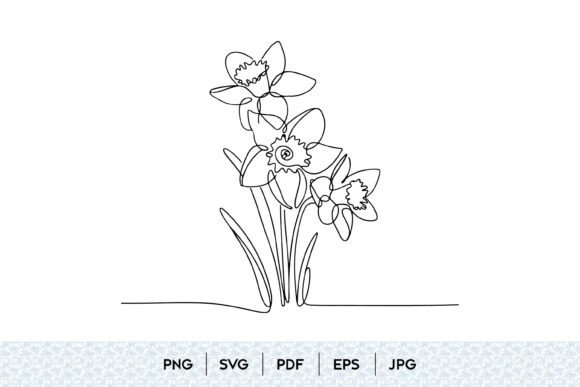
When you first open the files included in the Daffodil Flower One Line Art package—specifically the SVG, EPS, and PDF vectors—the immediate sensation is one of calm. The design relies on a continuous, flowing line to define the shape of the narcissus. There is no clutter, no unnecessary shading, and no complex fill areas that often plague floral designs. For an embroidery designer, this "less is more" approach is incredibly inviting. The visual personality of the piece suggests spring, renewal, and a modern aesthetic that fits perfectly into current boutique trends.
However, a pretty vector does not always equal a great stitch-out. The critical factor here is the continuity of the line. In a true one-line drawing, the path must be unbroken. If the digital file has hidden breaks or overlapping nodes, your embroidery machine might treat them as separate objects, leading to unnecessary jump stitches or trim commands. Upon inspecting the digital embroidery file structure, the flow appears seamless, which is a promising sign for a clean running stitch application.
Real-World Application: The Tote Bag Test
To truly evaluate the Daffodil Flower One Line Art, I envisioned a specific scenario: a custom order for a local farmer's market vendor who needed branded tote bag design elements. She wanted something that looked hand-drawn but professional, suitable for canvas totes that would carry heavy groceries. This is where the design shines. Because it is an outline rather than a solid block of color, it allows the texture of the canvas to show through. This creates a sophisticated, organic look that feels high-end rather than mass-produced.
In this context, the design acts as a perfect personalized gift element or a subtle brand marker. Unlike a dense satin stitch logo that can feel stiff and plastic-like on soft fabric, this linear approach remains flexible. If I were digitizing this myself for a machine embroidery design, I would likely use a single strand of high-sheen polyester thread to mimic the fluidity of a pen sketch. The result on a natural cotton tote would be striking—a delicate yellow or white line popping against the earthy background, signaling quality and attention to detail to the end consumer.
Versatility Across Products
The strength of the Daffodil Flower One Line Art lies in its adaptability. While the tote bag is an obvious choice, this graphic translates well to various other mediums. Consider sweatshirt embroidery; a large-scale version of this flower placed centrally on a heather grey hoodie creates a trendy, streetwear vibe that appeals to younger demographics. Similarly, for baby embroidery, the soft curves and lack of aggressive detailing make it safe and gentle for onesies or nursery blankets. It avoids the scratchiness that can come from dense stitching, which is crucial for sensitive skin.
For Etsy seller accounts focusing on home decor, this design could be scaled down for embroidered patch creation. Imagine a set of floral patches for jackets or hats, where the daffodil represents the arrival of spring. The simplicity ensures that even at smaller sizes, the identity of the flower remains clear. Furthermore, for those selling design assets or printable mockups, the included JPG and PNG formats offer immediate utility for social media previews, allowing makers to showcase their potential products before they even hoop a piece of fabric.
Technical Considerations and Fabric Challenges
Despite its elegance, the Daffodil Flower One Line Art requires careful handling during the production phase. The primary challenge with one-line art in embroidery is stitch density and coverage. A single line of stitching can sometimes get lost on highly textured fabrics like terry cloth or thick wool blends. If you are working on a fabric texture that is too busy, the delicate line may disappear. In such cases, I recommend using a contrasting underlay or slightly increasing the stitch width to ensure visibility.
Another critical area is the choice of stabilizer. Since this design lacks the structural support of a filled area, the fabric must be stabilized correctly to prevent puckering, especially on stretchy materials like jersey knits used in custom apparel. A cut-away stabilizer is often safer than a tear-away for long-term durability, ensuring the line remains straight and true after multiple washes. Additionally, when working on dark fabrics, the contrast becomes paramount. A pale yellow thread on a navy background might vanish; opting for a cream or metallic gold thread could provide the necessary pop to maintain the design's integrity.
Curved surfaces present another hurdle. If you plan to use this on a cap or a structured hat, the curvature can distort the long, sweeping lines of the daffodil. It is essential to test the hoop size and positioning carefully. A design that looks perfect flat on the table might appear warped once stitched onto a six-panel cap. Always run a test on scrap fabric that mimics the final garment's curve before committing to the client's item.
Enhancing Brand Value and Customer Trust
From a business perspective, the quality of your embroidery file directly impacts your reputation. Using a clean, well-proportioned design like the Daffodil Flower One Line Art signals professionalism. Customers associate crisp, intentional stitching with high value. When a buyer receives a handmade product where the design looks thoughtful and executed with precision, it builds trust. They are more likely to return for future purchases or recommend your small shop product line to friends.
Moreover, the minimalist nature of this illustration supports brand consistency. If your shop specializes in modern, botanical-themed goods, this daffodil fits seamlessly into a larger collection without clashing with other elements. It serves as a versatile building block for holiday embroidery collections, particularly for Easter or Mother's Day, allowing you to quickly pivot your inventory to match seasonal demand without needing entirely new designs.
Final Verdict and Designer Notes
The Daffodil Flower One Line Art is a robust resource for designers who understand the nuances of translating vector art into thread. It is not just a picture; it is a functional component for creating tangible value. However, success depends on preparation. Before launching into production, always test the design on scrap fabric similar to your final material. Check your thread colors against both light and dark backgrounds to ensure optimal contrast. Review the stitch path in your embroidery software to confirm there are no unnecessary jumps that could mar the "one-line" illusion.
It is also vital to verify the licensing terms provided with the download. While the package includes multiple formats like SVG, PNG, EPS, JPG, and PDF, confirming whether the license permits commercial embroidery sales is a non-negotiable step for any serious entrepreneur. Ensure you are cleared to sell the finished product or if there are restrictions on the number of items produced.
In conclusion, this design offers a blend of artistic charm and practical utility. Whether you are creating a personalized gift for a friend or scaling up for a craft fair booth, the Daffodil Flower One Line Art provides a solid foundation. With the right fabric choices, proper stabilization, and a keen eye for detail, this simple line can become the standout feature of your next successful collection.