Olive Line Art Collection: A Designer's Review
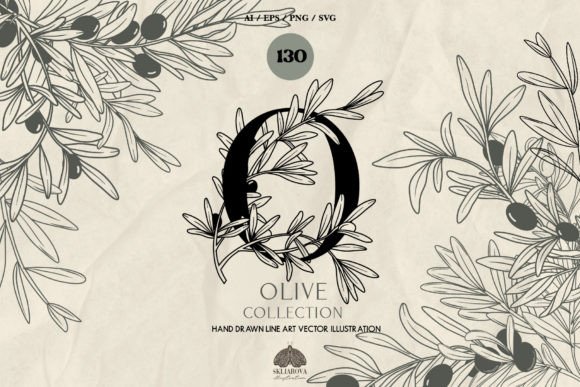
When I first opened the Olive Line Art Collection, my immediate thought wasn't about digital scalability or vector paths; it was about thread. As someone who spends more time staring at hoop markings and tension dials than screen pixels, I look at Illustrations and Graphics through a very specific lens: how will this translate when a needle hits fabric? This collection, boasting over 130 files including .eps, .svg, .ai, and .png formats, presents a compelling case for modern embroidery, but it requires a thoughtful approach to yield the best finished product.
The Aesthetic: Minimalism Meets Organic Flow
The mood of this collection is undeniably earthy and sophisticated. The 37 botanical elements featuring branches and olives carry a delicate, hand-drawn quality that feels organic rather than rigid. In the world of machine embroidery design, we often struggle with designs that look too perfect or computer-generated. These line art pieces avoid that trap. The layout suggests a natural flow, ideal for projects where you want elegance without heaviness. Whether you are creating a personalized gift or building a brand identity for a boutique, the visual personality here screams "artisanal."
However, line art in embroidery is a double-edged sword. On paper, a single continuous line looks chic. On fabric, that same line can disappear if the thread colors don't contrast enough with the material, or if the stitch density isn't managed correctly during digitization. Since these are provided as vector and raster design assets, the responsibility falls on you, the embroiderer, to ensure the translation from screen to stitch maintains that crisp clarity.
Real-World Application: The Tote Bag Test
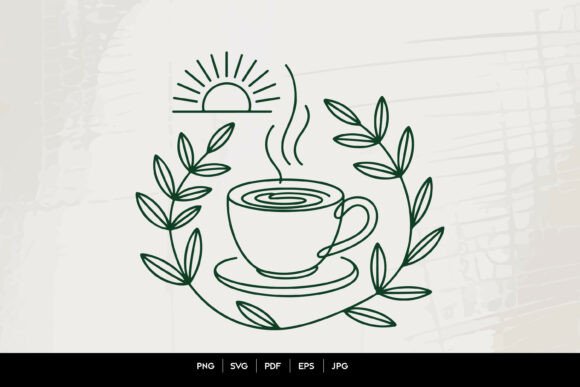
To truly evaluate the Olive Line Art Collection, I envisioned a specific scenario: a custom order for a local farmer's market vendor needing branded tote bag design options. She wanted something that looked high-end but could withstand the wear and tear of carrying produce. I selected one of the 20 compositions—a wreath arrangement with olive branches—and mentally placed it on a heavy canvas tote.
In this context, the design shines. The open nature of the line work prevents the fabric from puckering, a common issue with dense fills. If I were to digitize this for a satin stitch outline, the result would be a clean, raised texture that feels premium to the touch. For a small shop product, this level of detail elevates the perceived value immediately. Customers are drawn to items that look handmade yet professional, and these Graphics provide the perfect foundation for that aesthetic.
I also considered a sweatshirt embroidery project. French terry or fleece can be tricky with fine details. Here, the larger frames and dividers from the collection would work better than the tiniest individual olive leaves. Using a running stitch simulation for the thinnest lines could add a charming, sketch-like quality that complements the casual vibe of apparel. It's about matching the complexity of the embroidery file to the texture of the fabric.
Navigating Fabric Challenges and Hoop Constraints
While the potential is high, there are areas where caution is necessary. If you are working with stretchy fabrics like jersey for baby embroidery or thin silks for heirloom linens, the delicate nature of these lines demands precision. A standard stabilizer might not be enough; you may need a cut-away stabilizer to prevent the design from distorting after washing. The 37 frames and borders are particularly useful here, as they can act as a structural boundary, helping to stabilize the central motif.
Another critical factor is the hoop size. Some of the intricate compositions might require a larger hoop to capture the full scope of the design without breaking it into sections, which can lead to alignment issues. If you are working on curved surfaces like caps or hats, the linear nature of some branches might need adjustment to follow the curve of the crown naturally. Always test the design on scrap fabric first. This cannot be overstated. What looks perfect in a printable mockup can behave differently under the needle.
Commercial Viability and Brand Consistency
For Etsy sellers and creative entrepreneurs, consistency is key to building trust. The Olive Line Art Collection offers a cohesive library that allows you to create a unified look across different products. You could use a simple olive branch for a logo on a custom apparel tag, a larger wreath for a pillow cover, and a divider for packaging inserts. This versatility strengthens brand recognition.
When selling commercial embroidery services, clients care about durability and washability. Line art designs, if digitized with appropriate underlay and stitch types, hold up remarkably well because there is less thread bulk to snag or fray. However, you must verify the licensing terms before selling finished items or digital products derived from these files. The package includes various formats, but understanding the commercial rights is essential for any craft business.
Practical Notes for the Embroiderer
Before committing to a final run, keep these technical considerations in mind:
- Contrast is King: Test your design in black and white mockups first. If the lines vanish in grayscale, they will likely get lost on certain fabric backgrounds.
- Density Check: If you are digitizing these vectors yourself, be mindful of stitch density. Too dense, and the fabric pulls; too sparse, and the line looks broken.
- Fabric Texture: Rougher fabrics like linen or burlap may swallow fine running stitch details. Consider using a slightly thicker thread or a fill stitch for small elements on textured materials.
- Wash Testing: Always wash your test swatch. This reveals if the stabilizer was sufficient and if the threads bleed or shrink.
- Format Verification: Since the collection offers .eps, .svg, .ai, and .png, ensure you are using the correct file type for your digitizing software to maintain the highest resolution.
Ultimately, the Olive Line Art Collection is a robust set of tools for the modern maker. It bridges the gap between digital illustration and tactile craft. Whether you are creating a holiday embroidery gift, an embroidered patch for a jacket, or a series of kitchen towels, these designs offer the flexibility to adapt to your vision. Just remember that the magic happens not just in the download, but in the thoughtful preparation and stitching that follows. With the right technique, these Illustrations become more than just images; they become cherished, tangible pieces of art.