Morning Coffee Cup Line Art: A Designer's Review
As a designer who spends more time at the hoop than at the breakfast table, I am always on the lookout for graphics that translate well from screen to stitch. When I first pulled up the Morning Coffee Cup Line Art, my initial reaction was one of relief. In a market saturated with overly complex vectors and cluttered illustrations, this design offers a breath of fresh air. It is clean, minimalist, and possesses a visual personality that feels both modern and timeless. For those of us running small shops or creating personalized gifts, finding a digital embroidery file that balances aesthetic appeal with technical feasibility is often the hardest part of the job.
First Impressions and Visual Mood
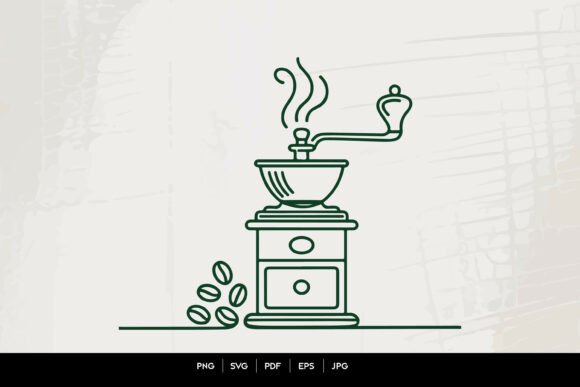
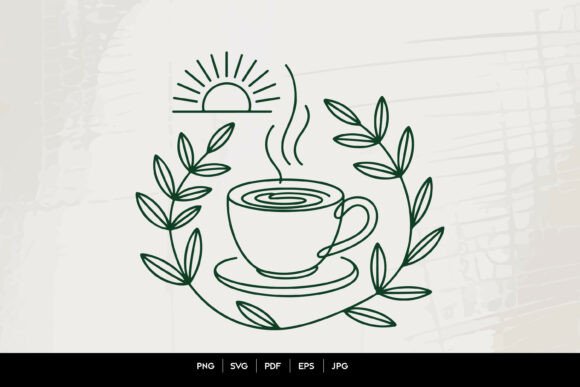
The moment you open the file, the mood is set. This isn't just a picture of a mug; it is an evocation of that quiet, golden hour before the day truly begins. The line work is deliberate, suggesting steam rising in gentle curls that add movement without demanding excessive stitch counts. As an Illustration, it relies on negative space and confident strokes rather than heavy fills. This is crucial for embroidery because heavy fill areas can distort lightweight fabrics and make garments feel stiff. The Morning Coffee Cup Line Art avoids this pitfall entirely. Its simplicity suggests a "less is more" approach, which is currently trending heavily in boutique branding and handmade home decor.
The layout is versatile. Whether you envision it centered on a chest pocket or as a large statement piece on a tote bag, the composition holds its own. The sunrise motif implied in the description pairs beautifully with warm thread palettes, but the strength of the lines means it works equally well in monochrome. For an Etsy seller looking to expand their catalog, this kind of adaptability is gold. It allows you to create a cohesive collection of products without needing to purchase dozens of different designs.
Real-World Application: The Tote Bag Scenario
To truly test the viability of any machine embroidery design, I like to imagine a specific client request. Let's say a local café owner approaches me for a run of branded tote bags for their loyalty program. They want something stylish that their customers will actually want to carry around, not just stash in a cupboard. This is where Morning Coffee Cup Line Art shines.
I would select a natural canvas tote, perhaps in an unbleached or oat color. Using a running stitch or a light satin stitch for the outline, I could execute this design in a deep espresso brown or a burnt orange thread. Because the design is essentially line art, it avoids the "puckering" issue that often plagues large filled logos on flexible fabrics like canvas. The finished product would look professional, high-end, and intentionally designed rather than slapped on. Customers are increasingly savvy; they can tell the difference between a generic clip-art transfer and a thoughtfully stitched handmade product. This design leans heavily into the latter category, enhancing brand consistency and perceived value.
Versatility Across Product Lines
Beyond tote bags, the applications for this graphic are extensive. Imagine this stitched onto a linen tea towel for a housewarming gift. The minimalism complements the texture of linen perfectly. Or consider sweatshirt embroidery; placing a small version of this cup on the left chest of a heather grey crewneck creates an instant best-seller for fall collections. It also works wonderfully for baby embroidery. A soft, pastel version on a onesie or bib makes for a sweet, gender-neutral shower gift that feels personal and thoughtful.
For those selling printable mockups or digital assets, the included SVG and EPS files are invaluable. You can easily place the vector into your product photos to show clients exactly how the finished product will look before you even thread the needle. This transparency builds trust and reduces hesitation in buyers who are purchasing custom apparel online.
Technical Considerations and Fabric Choices
While the design is robust, practical judgment dictates that we must consider where it might struggle. Line art is fantastic, but it requires the right foundation. If you are stitching on a highly textured fabric like a chunky knit sweater or a looped terrycloth towel, the fine details of the steam or the cup handle might get lost. In these cases, I recommend using a heavier weight stabilizer or even considering a cut-away stabilizer for items that will undergo frequent washing, like kitchen towels or custom apparel.
Curved surfaces present another challenge. If you plan to use this on a cap or a hat, the curvature can distort the straight lines of the cup rim. It is not impossible, but it requires careful hooping and potentially adjusting the pull compensation in your digitizing software if you are modifying the file. Similarly, be cautious with very dark fabrics. While the design is striking in white thread on black, ensure your thread has enough sheen or brightness to pop against the background. A matte thread on a dark navy might disappear, whereas a rayon or polyester thread would catch the light and define the shape better.
Designer Notes for Best Results
Before committing to a production run, always adhere to the golden rule: test on scrap fabric first. This is non-negotiable. Take a piece of the actual material you intend to use and stitch out the Morning Coffee Cup Line Art. Check the stitch density. Even though it is line art, if the lines are too close together, they can merge into a solid blob, losing the airy feel of the original illustration.
- Check Thread Contrast: Ensure your thread color stands out clearly against the fabric. High contrast usually yields a more professional look for line art.
- Review Hoop Size: Confirm that your chosen hoop accommodates the design dimensions without crowding the edges, especially for larger placements on pillows or blankets.
- Inspect Small Details: Look closely at the steam wisps. If they are too thin, they may break during washing. You might need to thicken these slightly in your editing software.
- Mockup Testing: Create black and white mockups to see how the design reads without the distraction of color. If it works in grayscale, it will work in color.
- Licensing Verification: Always double-check the license terms provided with the download. Since this is marketed as a commercial asset, confirm whether there are limits on the number of physical items you can sell or if attribution is required.
Final Verdict on Value and Appeal
In the world of craft business, the difference between a hobbyist item and a professional product often comes down to the quality of the design assets used. Morning Coffee Cup Line Art elevates the perceived value of any item it adorns. It speaks to a lifestyle—slow mornings, warmth, and comfort—that resonates deeply with consumers. For the embroidery project manager or the solo maker, it offers a low-risk, high-reward opportunity. It is easy to stitch, forgiving on various fabrics, and universally appealing.
Whether you are stocking shelves for the holiday season, preparing wedding favors, or simply adding a touch of elegance to your own kitchen, this design delivers. It avoids the trap of being too trendy, ensuring that the personalized gift or small shop product you create today will still look relevant and stylish years from now. By focusing on clean lines and emotional resonance, this graphic proves that sometimes the simplest designs are the most powerful tools in a creator's arsenal.