Tulip Flower Line Art: A Designer's Review for Embroidery
As a designer who spends more time staring at stitch previews than most people care to admit, I am always on the hunt for graphics that translate well from screen to fabric. When I first encountered the Tulip Flower Line Art, my initial reaction was one of cautious optimism. In the world of Illustrations and Graphics, minimalism is trendy, but in embroidery, it can be a trap. A line that looks sleek on a monitor can vanish into the texture of a towel or pucker uncontrollably on a stretchy knit. However, after putting this design through its paces for a recent client project, I found it to be a surprisingly versatile asset for the right applications.
The Aesthetic: Clean Lines with Botanical Soul
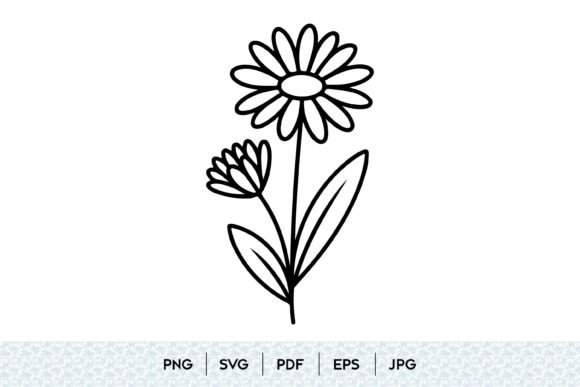
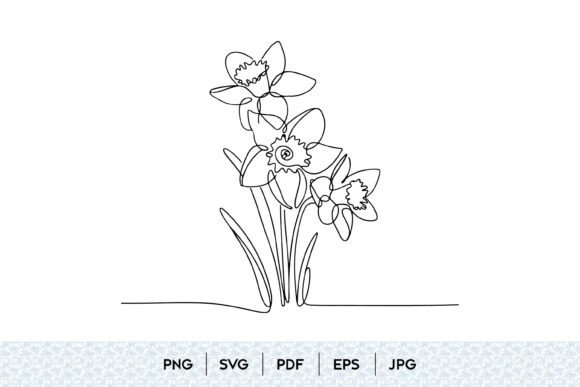
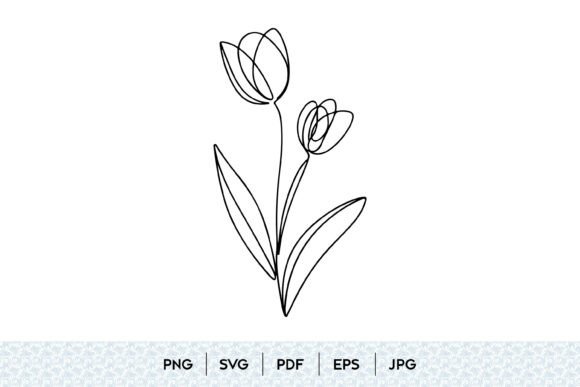
The first thing you notice about the Tulip Flower Line Art is its mood. It feels modern yet timeless, capturing the essence of a botanical sketch without getting bogged down in unnecessary detail. The continuous line style suggests movement and organic growth, which is perfect for projects aiming for a handmade, artisanal feel. Unlike dense fill patterns that scream "machine-made," this design leans into the limitations of the medium to create something that feels intentional and delicate.
For those of us creating handmade products, visual personality is everything. This design doesn't just look like a flower; it looks like a signature. Whether you are branding a boutique line of aprons or creating a series of personalized gifts for a wedding party, the simplicity of the outline allows the fabric texture to shine through. It respects the material rather than trying to cover it up completely.
Real-World Application: The Tote Bag Test
To truly evaluate any embroidery file, you have to imagine it on a finished product. I recently used a variation of this concept for a custom order involving canvas tote bags. The client wanted something elegant but durable for a local farmer's market launch. The Tulip Flower Line Art was the obvious choice. Because the design relies on outlines rather than solid blocks of color, it stitched out beautifully on the heavier canvas weave.
Had I chosen a complex applique design or a heavy satin stitch block, the bag might have felt stiff or distorted near the handle attachments. Instead, the light touch of the line art kept the fabric drape natural. Customers at the market responded positively to the understated elegance; it didn't look like cheap promotional swag but rather like a piece of wearable art. This is the kind of reaction that builds customer trust and encourages repeat business for any Etsy seller or small shop owner.
Versatility Across Products
Beyond tote bags, this design shines in several other categories. It is an excellent candidate for sweatshirt embroidery, where large, dense designs can sometimes feel overwhelming or too warm. Placed subtly on the cuff or the chest pocket area, the tulip adds a touch of sophistication to casual custom apparel. It also works wonderfully for baby embroidery. Parents often prefer softer, less intrusive designs for infant clothing, and the gentle curves of this floral illustration fit that bill perfectly.
For home decor enthusiasts, consider using this on tea towels or pillow covers. The linear nature of the drawing complements the grid-like structure of linen and cotton blends. If you are selling digital embroidery files or finished goods, having a design that performs well across these varied substrates increases your potential market reach significantly.
Technical Considerations and Potential Pitfalls
While I highly recommend this design, it is not without its challenges. As with any machine embroidery design that relies on fine lines, context is king. You must be extremely careful when selecting your hoop size and scaling the image. If you shrink the Tulip Flower Line Art too much for a small patch or a cap, the lines may become so thin that they break during stitching or disappear entirely into the fabric pile.
Fabric choice is another critical factor. On textured fabrics like terry cloth or thick fleece, a single running line can get lost. In these cases, you might need to adjust the stitch density or slightly thicken the lines in your digitizing software before loading the file. Similarly, when working with stretchy fabrics like jersey knits, proper stabilization is non-negotiable. Without a high-quality stabilizer, the tension of the stitching could cause the delicate tulip shape to warp or pucker, ruining the clean aesthetic.
Dark fabrics present another hurdle. Since this is primarily an outline, ensure you have high-contrast thread colors. A white or cream thread on navy or black fabric creates a striking look, but if the contrast is low, the design will lack definition. Always test your embroidery project on scrap fabric of the same weight and color before committing to the final piece.
Enhancing Brand Value and Professionalism
Using high-quality assets like the Tulip Flower Line Art directly impacts your brand consistency. When customers see a crisp, well-executed design, they associate that quality with your entire business. It elevates the perceived value of the finished product, allowing you to command better prices at craft fairs or in your online store. It shows that you care about the details, from the running stitch quality to the overall composition.
Furthermore, because the design is provided in multiple formats including SVG, PNG, EPS, JPG, and PDF, it serves as a robust set of design assets. You can easily create printable mockups for your social media marketing or use the vector files to scale the image for different hoop sizes without losing resolution. This flexibility is invaluable for creative entrepreneurs who need to adapt quickly to different client requests.
Final Verdict for Designers and Makers
In conclusion, the Tulip Flower Line Art is a strong contender for your digital library. It bridges the gap between artistic illustration and practical embroidery application. However, success lies in the execution. Do not assume the file is ready to run straight out of the folder without inspection. Check the licensing terms to confirm whether you can use it for commercial embroidery projects or if there are restrictions on the number of physical items you can sell.
Before starting your next batch of holiday embroidery or updating your shop's inventory, take the time to review the stitch path. Ensure that the transition points in the continuous line are smooth and that there are no unnecessary jumps that could clutter the back of the garment. With the right preparation, fabric selection, and attention to detail, this minimalist flower outline can become a staple in your repertoire, helping you create beautiful, professional-grade items that resonate with buyers.
Remember, the best designs are those that enhance the medium they are stitched into. The Tulip Flower Line Art does exactly that, offering a blend of simplicity and charm that stands up to the rigors of real-world use.